For decades, the battery aisle has been dominated by a single business model: sell cheap, disposable alkaline batteries, and rely on the customer coming back every few months when they die. It was a volume game.
However, the winds have changed. Global pressure to reduce waste, coupled with stricter government regulations, is forcing a massive transformation in the consumer electronics sector. Distributors and retailers who continue to fill their shelves exclusively with single-use batteries risk being left behind by both the law and the consumer. The future is rechargeable, and specifically, the USB-C Direct-Charge Lithium Battery is leading the charge.
If you export to Europe or North America, you have likely heard the term ESG (Environmental, Social, and Governance). It is no longer a buzzword; it is a scorecard for business survival.
The European Union’s new Battery Regulation is setting a global precedent. The goal is clear: create a circular economy where batteries are durable, collectable, and recyclable. While the initial focus is on EV and industrial batteries, the ripple effect is hitting consumer portable batteries. Regulations are increasingly demanding higher recycling efficiency and labeling transparency.
What this means for Distributors: Importing millions of disposable alkaline batteries that end up in landfills is becoming a liability. Retailers are under pressure to reduce their "Scope 3 emissions" (indirect emissions from the products they sell). Stocking rechargeable lithium solutions is the fastest way to align with these new sustainability standards.

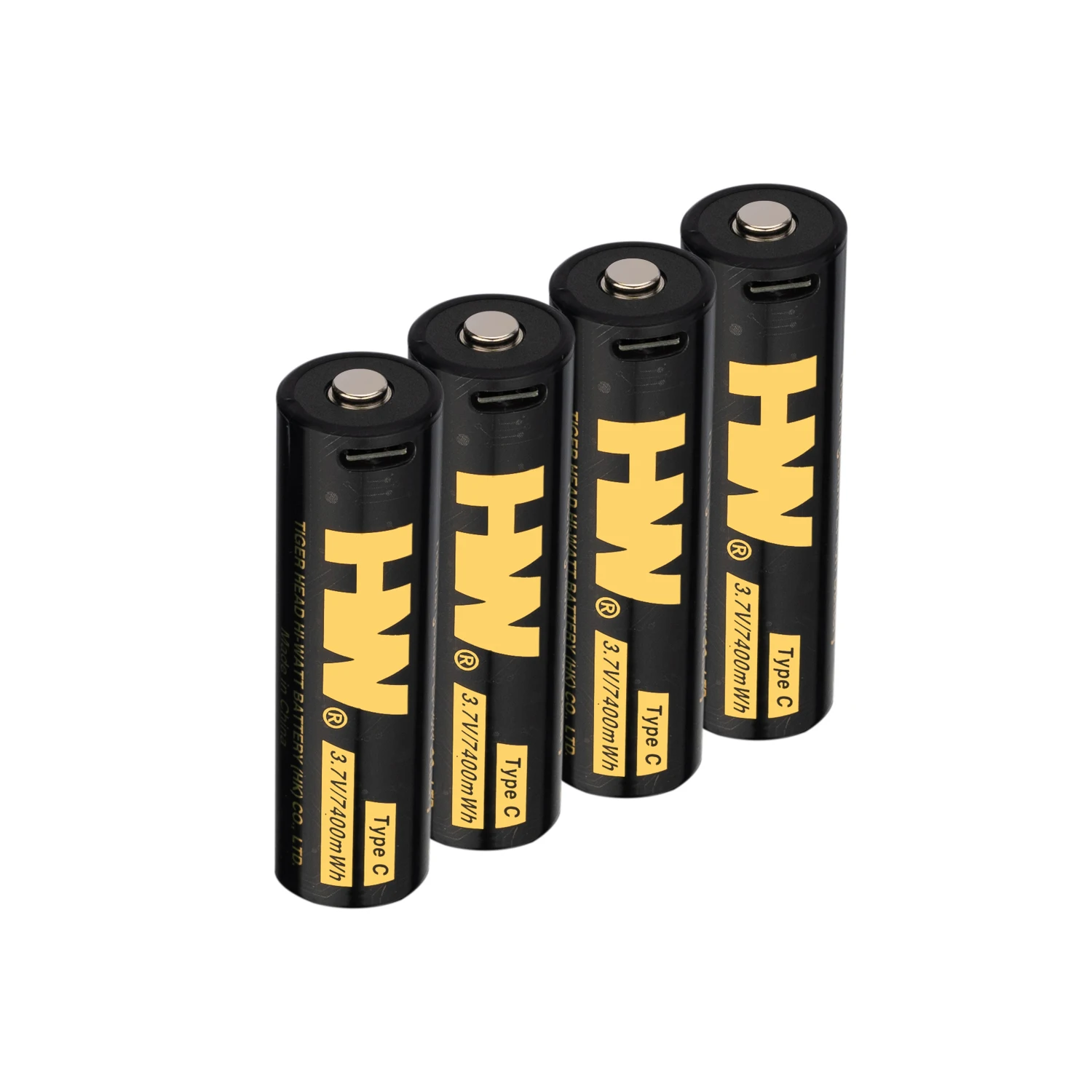
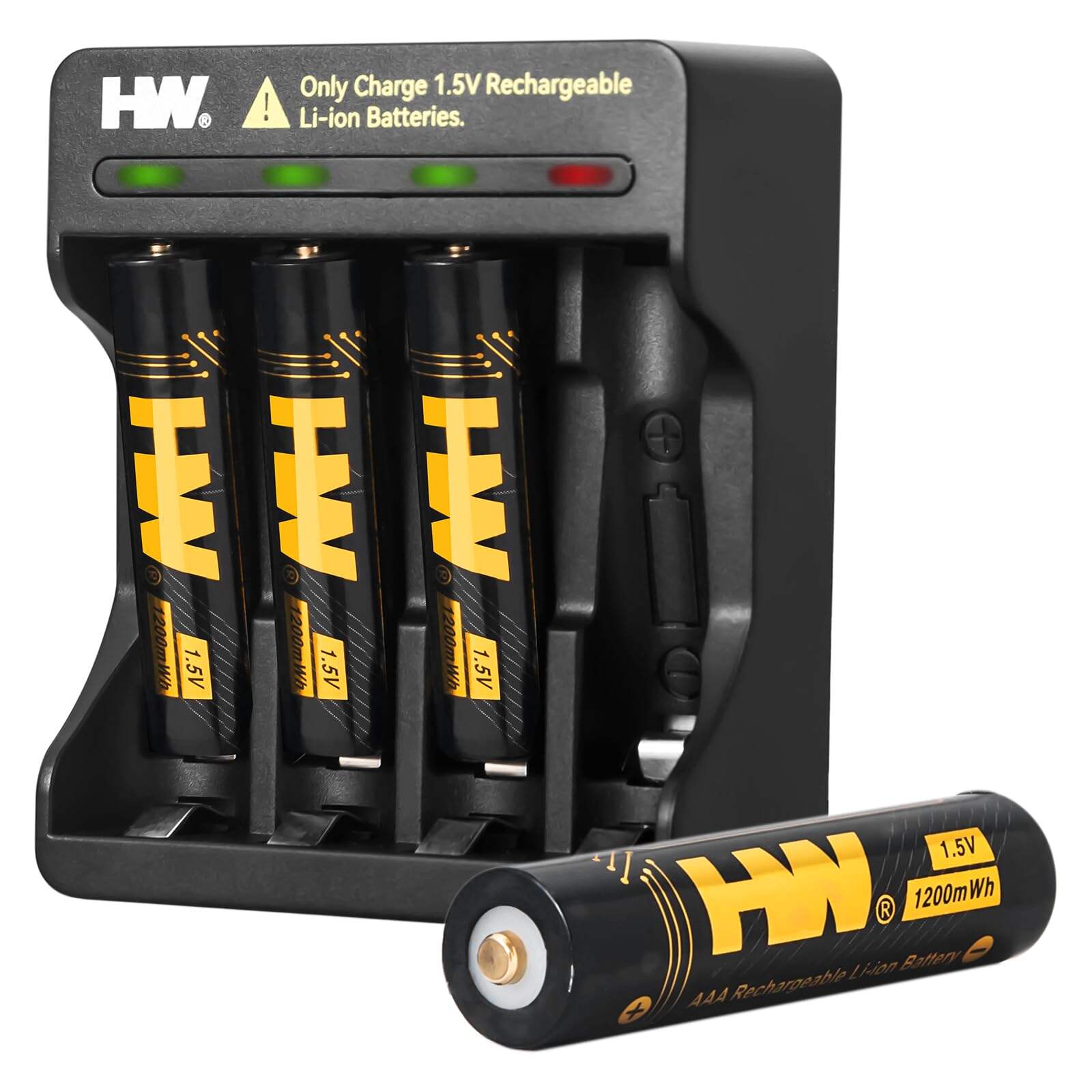
Major retail chains and corporate procurement departments now have sustainability mandates. They are actively seeking suppliers who can offer "Green Alternatives." A 4-pack of USB-C rechargeable lithium batteries, which can replace up to 1,000 alkaline batteries over its lifespan, is a powerful story for any brand looking to boost its eco-credentials.
In the past, "going green" often meant sacrificing convenience. Old Nickel-Metal Hydride (NiMH) rechargeables required bulky, separate wall chargers that people often lost. They were eco-friendly, but hassle-heavy.
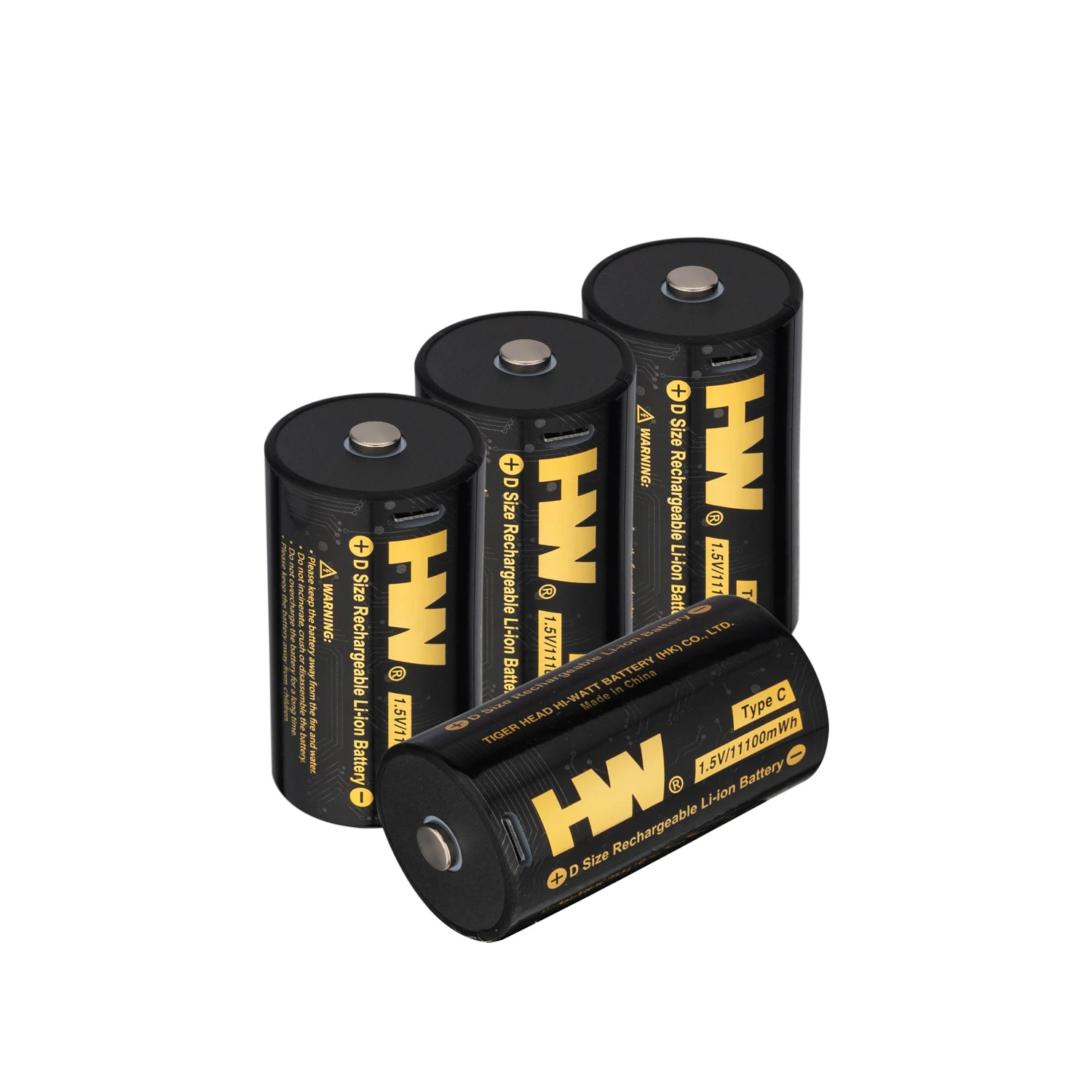
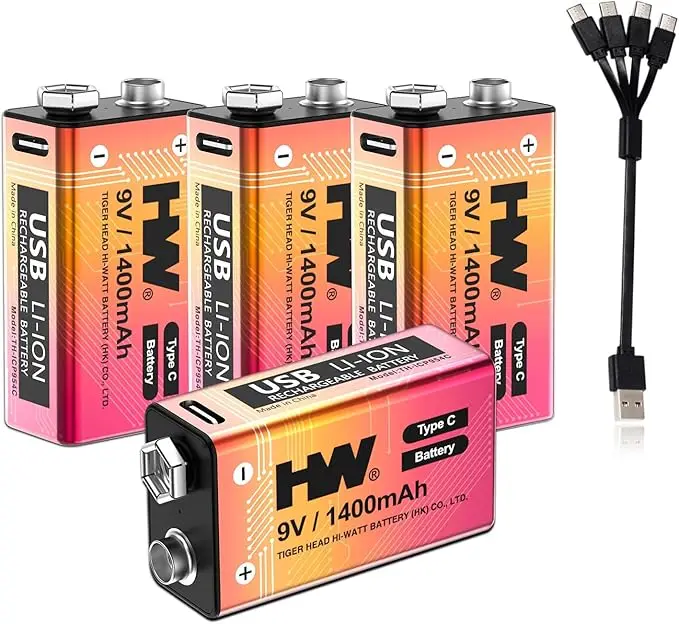
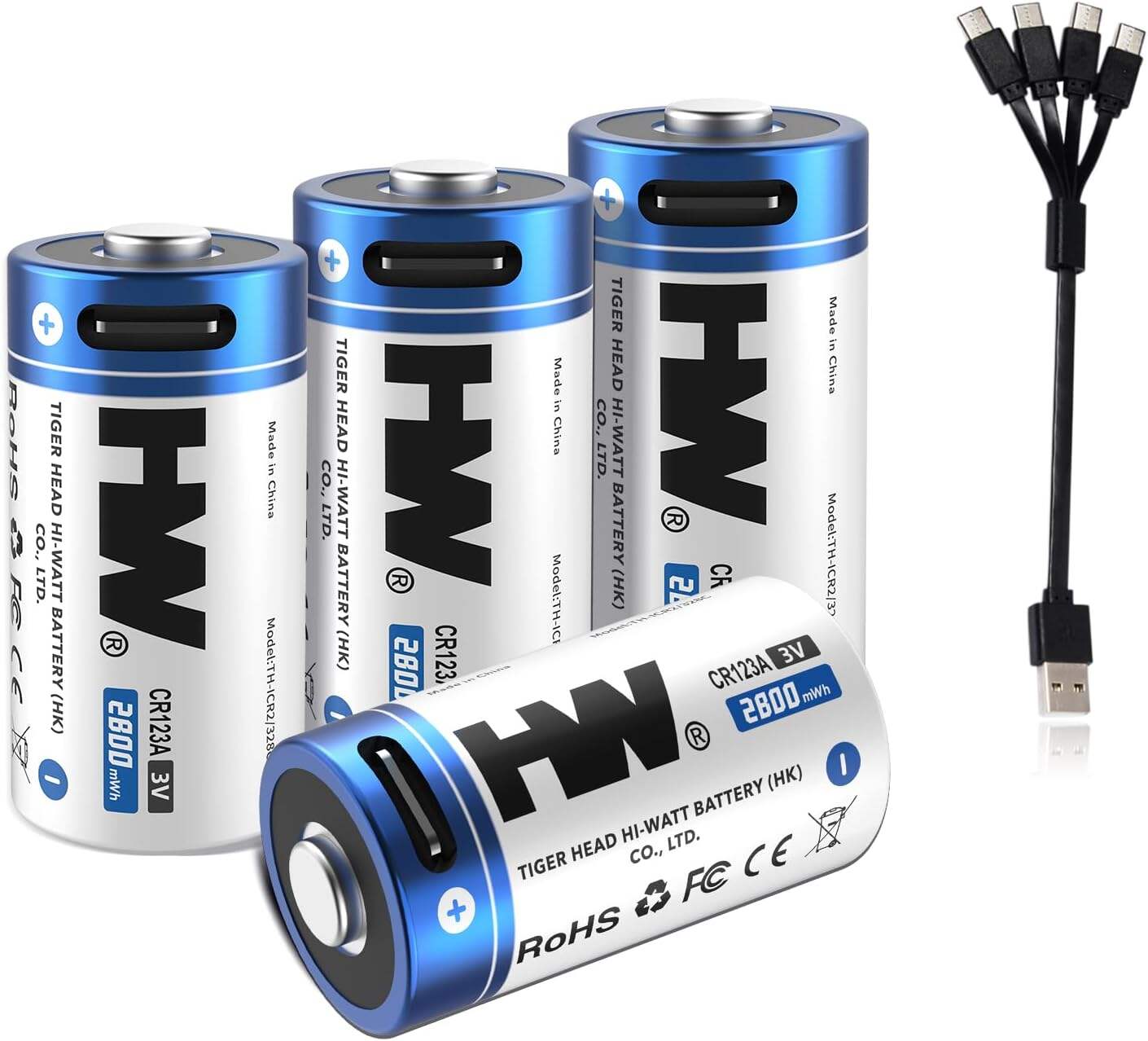
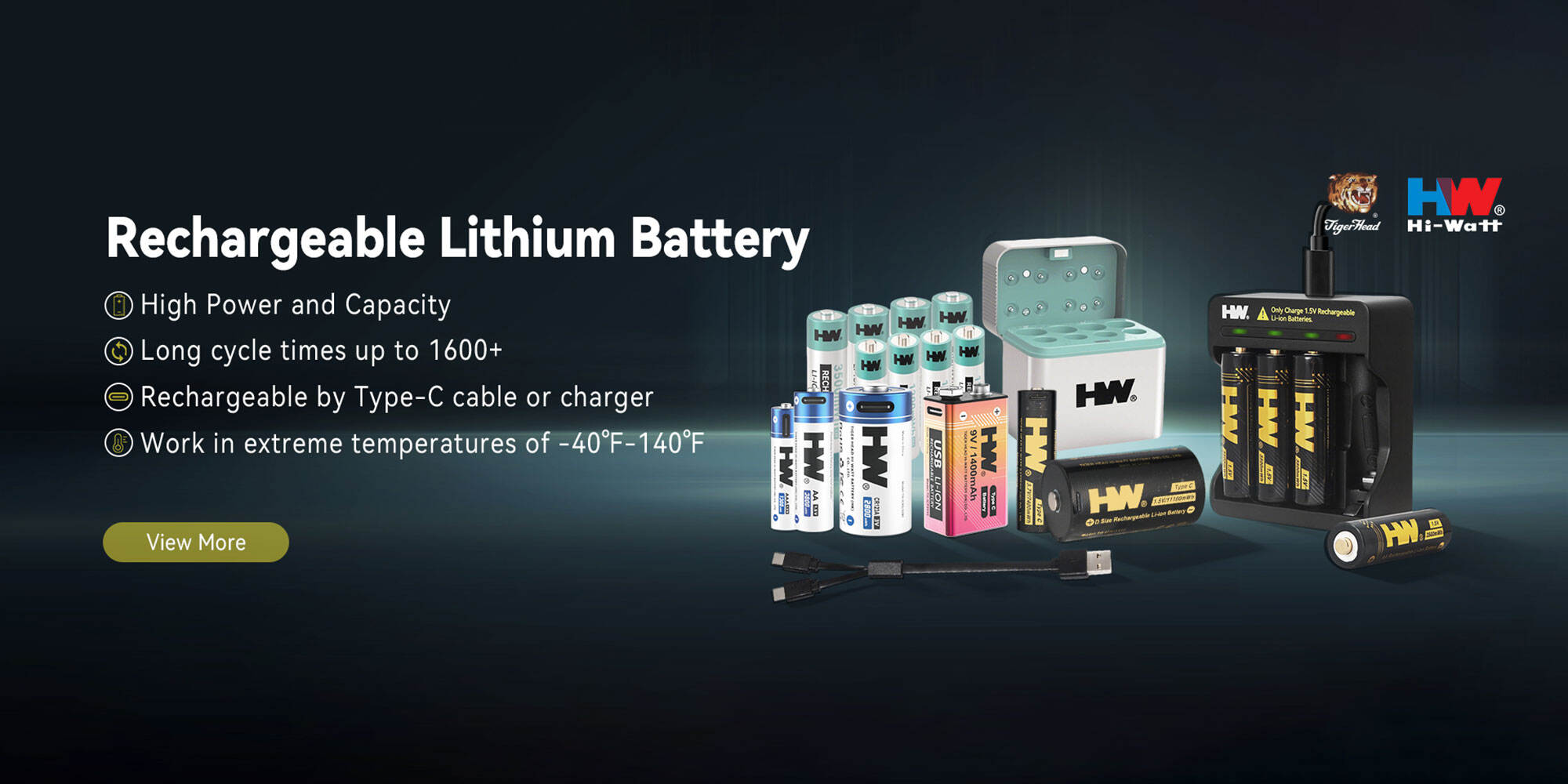
USB-C Lithium batteries change the game. By integrating the charging port directly into the cell (AA, AAA, 9V), they eliminate the need for extra hardware.
Solving the E-Waste Problem:
Every household already has USB-C cables. By removing the need for a proprietary plastic charger, these batteries significantly reduce electronic waste. For the modern consumer, this is the perfect marriage of convenience and conscience.
Sustainability doesn't sell if the product doesn't work. One of the biggest hurdles for old rechargeable tech was the 1.2V voltage drop.
Modern 1.5V Constant Output Lithium Batteries bridge this gap. They offer the performance of a fresh alkaline battery with the reusability of a lithium cell. This means consumers don't have to choose between a working Xbox controller and saving the planet. They get both.
Download Tiger Head Rechargeable Li-ion Battery Catalogue(2025)
Let’s talk business. Why should a distributor push a $20 pack of rechargeables over a $5 pack of alkalines?
1. Higher Basket Value: USB-C batteries are premium tech accessories. They command a higher price point, increasing your revenue per square foot of shelf space.
2. Brand Loyalty: When you sell a solution that saves a customer money in the long run and works better, they trust your brand.
3. Modernizing the Aisle: A battery section filled only with disposables looks outdated. Introducing high-tech, USB-C lithium packaging signals that your store is on the cutting edge of technology.
The transition doesn't have to be overnight. Smart distributors are introducing hybrid inventory strategies. They maintain alkaline stock for the budget-conscious but give prime placement to USB-C Lithium options to capture the growing demographic of eco-conscious, tech-savvy buyers.

Whether it is 9V batteries for professional audio (where reliability is key) or AA/AAA for smart home devices, the demand is already there. The question is, are you supplying it?
Navigating the shift to sustainable energy requires a partner who understands both the technology and the regulations.
At Hi-Watt, we don't just assemble batteries; we engineer solutions. Our USB-C Lithium series is designed to meet strict international safety and environmental standards (CE, RoHS, UN38.3). We help you build a product line that isn't just profitable, but also responsible.
Ready to green your supply chain?
Contact our team today to discuss OEM branding and wholesale opportunities for the next generation of sustainable power.
 Hot News
2026-04-13
2025-12-10
2025-12-08
2025-11-19
2025-10-19
2025-11-24

Tiger Head Battery Group main product USB Rechargeable Batteries, Micro USB Rechargeable Batteries, Type-C Rechargeable Batteries, Car Jump Starter, With Air Compressor, Battery& Charger, ect.
No.132 North, Gongye Road, Haizhu District, Guangzhou, China
Copyright © 2024 Guangzhou Tiger Head Battery Group Co.,Ltd. Privacy Policy

 EN
EN
 BG
BG
 CS
CS
 HR
HR
 DA
DA
 NL
NL
 FI
FI
 FR
FR
 DE
DE
 EL
EL
 HI
HI
 IT
IT
 JA
JA
 KO
KO
 NO
NO
 PL
PL
 PT
PT
 RO
RO
 RU
RU
 ES
ES
 SV
SV
 IW
IW
 HU
HU
 ID
ID
 LT
LT
 SK
SK
 SL
SL
 VI
VI
 ET
ET
 TH
TH
 TR
TR
 FA
FA
 KA
KA
 BN
BN
 HA
HA
 TA
TA
 YO
YO
 KK
KK
 AR
AR